
Not every relationship that brings happiness at the beginning remains healthy over time. Sometimes, the people we love, trust, or depend on can become sources of emotional pain, constant stress, and insecurity.
You may find yourself walking on eggshells around someone, constantly apologising even when you have done nothing wrong, or questioning your own judgment because of repeated criticism. Perhaps you feel emotionally drained after conversations with your partner, friend, family member, or colleague.
These experiences may indicate an unhealthy or toxic relationship.
Learning how to deal with toxic relationships is important for protecting your emotional wellbeing, rebuilding your confidence, and developing healthier connections with others.
For individuals seeking relationship counselling in Ghana, recognising unhealthy relationship patterns and understanding when to seek professional support can be an important step toward emotional recovery.
Need professional assistance today? Call now: 0244598994
What Is a Toxic Relationship?
A toxic relationship is a commonly used term for a relationship characterised by repeated patterns of behaviour that undermine a person’s emotional wellbeing, confidence, dignity, or sense of security.
Unlike ordinary disagreements, unhealthy relationship patterns may involve persistent disrespect, manipulation, excessive criticism, dishonesty, intimidation, or disregard for personal boundaries.
Toxic relationships can occur between romantic partners, married couples, friends, relatives, colleagues, and even members of religious communities.
It is important to understand that the word toxic is not a clinical diagnosis. A relationship may be unhealthy without necessarily involving abuse, and a single disagreement does not automatically make a relationship toxic.
What matters is the pattern of behaviour, its impact, and whether those involved are willing and able to establish respectful, safe interactions.
10 Warning Signs of a Toxic Relationship
Recognising the warning signs of an unhealthy relationship can help you understand what you are experiencing and determine whether changes or professional support may be necessary.
1. Constant Criticism and Belittling
Constructive feedback can strengthen relationships, but repeated criticism intended to humiliate or undermine another person can be emotionally damaging.
A partner may constantly attack your appearance, intelligence, career, family background, or personal decisions.
Over time, you may begin to internalise these criticisms and question your abilities.
Healthy relationships allow people to discuss concerns without attacking each other’s dignity.
Read also: Low Self-Esteem in Ghana: Causes, Signs, and How Counselling Can Help You Build Confidence
2. Emotional Manipulation
Emotional manipulation occurs when someone uses guilt, fear, pressure, or misleading behaviour to influence another person’s decisions.
For example, someone may repeatedly suggest that you do not love them unless you agree to their demands.
Others may threaten to withdraw affection whenever you express a different opinion.
These patterns can make it difficult to distinguish between genuine responsibility and pressure designed to control your choices.
3. Excessive Jealousy and Controlling Behaviour
Jealousy may occasionally arise in relationships, but persistent attempts to control another person’s movements, friendships, clothing, communication, or finances are serious warning signs.
A partner may demand access to your phone, insist on knowing your location at all times, or discourage you from maintaining relationships with friends and relatives.
Such behaviour should not be mistaken for proof of love.
A healthy relationship requires trust, personal autonomy, and mutual respect.
4. You Constantly Feel Afraid of Their Reaction
Do you carefully choose your words because you are afraid of how someone will respond?
Perhaps you avoid discussing ordinary concerns because disagreements frequently lead to shouting, threats, humiliation, or prolonged hostility.
When fear becomes a regular part of a relationship, emotional safety may be compromised.
If you feel threatened or unsafe, prioritise your safety and seek appropriate support rather than attempting to resolve the situation through confrontation alone.
5. Your Feelings Are Repeatedly Dismissed

In a healthy relationship, both people should have opportunities to express their emotions.
An unhealthy pattern may develop when one person consistently dismisses the other’s concerns with statements such as:
- “You are too sensitive.”
- “You are always overreacting.”
- “Your feelings do not matter.”
- “You are imagining things.”
Repeated emotional invalidation can make someone question whether their experiences deserve attention.
6. There Is Little Respect for Personal Boundaries
Boundaries help people communicate their needs, values, privacy, and personal limitations.
A relationship may become unhealthy when one person repeatedly ignores reasonable boundaries or punishes the other for expressing them.
Examples include pressuring someone into unwanted activities, refusing to respect privacy, or repeatedly demanding time and resources beyond what the person can reasonably provide.
Respecting boundaries is an important part of maintaining healthy relationships.
7. You Feel Responsible for Everything That Goes Wrong
In some unhealthy relationships, one person is consistently blamed for every disagreement or difficulty.
Even when both parties contribute to a problem, one individual may be expected to apologise and take complete responsibility.
This can create an unhealthy imbalance in which the blamed person continually questions themselves while the other avoids accountability.
Healthy relationships require both people to recognise their responsibilities.
8. You Are Becoming Isolated From Friends and Family
Supportive relationships with relatives, friends, and trusted community members are important for emotional wellbeing.
Be cautious if someone repeatedly discourages you from maintaining these connections, monitors your interactions, or makes you feel guilty for spending time with others.
Isolation can increase dependence and make it harder to seek help when a relationship becomes harmful.
9. Conflict Never Leads to Meaningful Change
Disagreements are normal in relationships. What matters is how people respond to them.
In unhealthy relationships, the same hurtful behaviour may continue despite repeated apologies and promises.
You may find yourself moving through a cycle of conflict, reconciliation, temporary improvement, and renewed conflict.
Lasting improvement requires more than apologies. It involves accountability, consistent behavioural change, and respect for the other person’s wellbeing.
10. Your Emotional Wellbeing Is Deteriorating
One of the most important warning signs is the effect a relationship has on your mental and emotional health.
You may notice persistent anxiety, sadness, irritability, exhaustion, difficulty concentrating, or declining self-confidence.
These experiences can have several possible causes, but if they consistently intensify around a particular relationship, it may be worth examining that connection more closely.
How Toxic Relationships Affect Mental Health
Unhealthy relationships can affect more than your emotions during an argument.
When distressing interactions continue over time, they may influence your confidence, physical wellbeing, productivity, and ability to trust others.
Low Self-Esteem and Self-Doubt
Repeated criticism and humiliation can gradually weaken a person’s sense of self-worth.
Someone who once felt confident may begin to question their decisions, appearance, abilities, and personal value.
Professional counselling may help individuals identify harmful beliefs they have developed and rebuild a healthier understanding of themselves.
Anxiety and Persistent Stress
Living in an unpredictable relationship can create ongoing emotional tension.
You may become excessively alert to another person’s moods or spend considerable time worrying about the next disagreement.
This persistent stress can affect sleep, concentration, and daily functioning.
Depression and Emotional Exhaustion
Some people experiencing prolonged relationship distress develop symptoms of depression, including low mood, reduced motivation, hopelessness, or loss of interest in previously enjoyable activities.
These symptoms deserve professional attention, particularly when they persist or interfere with everyday life.
Difficulty Trusting Others
After experiencing manipulation, betrayal, or repeated dishonesty, some individuals find it difficult to trust people in future relationships.
They may become excessively cautious or interpret ordinary disagreements as signs of danger.
Counselling can help people explore these experiences and develop healthier ways of evaluating trust and emotional safety.
Why Do People Stay in Toxic Relationships?
It is easy for outsiders to ask why someone remains in an unhealthy relationship. However, the reasons can be complex.
Some people remain because they love the other person and hope that things will improve.
Others fear loneliness, social judgment, financial hardship, family pressure, or the consequences of separation.
In Ghana, expectations surrounding marriage, family reputation, religious commitment, and the involvement of extended family can sometimes influence decisions about relationships.
For married couples with children, concerns about parenting responsibilities and family stability may make decisions particularly difficult.
Where coercive control or abuse is involved, leaving may also create genuine safety risks.
Therefore, people experiencing harmful relationships need understanding and practical support rather than blame or simplistic instructions.
How to Deal With a Toxic Relationship
There is no single solution that works for every unhealthy relationship. The appropriate response depends on the behaviour involved, the level of risk, and the circumstances of the people affected.
1. Recognise the Behaviour Without Excusing It
The first step is to identify what is happening.
Instead of focusing only on the person’s intentions, examine their repeated actions and the effects those actions have on you.
Ask yourself whether you feel respected, safe, heard, and free to express reasonable needs.
A person may have experienced difficulties in their own life, but those experiences do not justify ongoing mistreatment.
2. Establish Clear Personal Boundaries
In relationships where it is safe to do so, communicate what behaviour you find unacceptable.
For example, you might explain that you are willing to discuss disagreements but not participate in conversations involving insults or shouting.
Boundaries should focus on what you can control, including whether you continue a conversation or remain in a particular situation.
However, if the other person is threatening, violent, or controlling, directly asserting boundaries may increase danger. Seek individual professional guidance and develop a safety plan instead.
3. Stop Taking Responsibility for Another Person’s Behaviour
You are responsible for your own choices and actions.
You are not responsible for another adult’s decision to intimidate, insult, manipulate, or harm you.
Recognising this distinction can help reduce misplaced guilt and encourage healthier decision-making.
4. Reconnect With Supportive People
Unhealthy relationships can become more difficult to manage when you feel isolated.
Consider reaching out to trusted friends, relatives, mentors, or qualified professionals who can listen without pressuring you.
Supportive relationships can provide emotional reassurance, practical assistance, and a broader perspective.
5. Protect Your Emotional Wellbeing
Prioritise activities that support your physical and emotional health.
This may include adequate rest, exercise, personal reflection, prayer, journaling, and meaningful social connections.
These activities cannot resolve another person’s harmful behaviour, but they can support your wellbeing while you consider appropriate next steps.
6. Seek Professional Relationship Counselling
Relationship counselling can help people explore communication difficulties, recurring disagreements, emotional needs, and unhealthy interaction patterns.
For relationships involving ordinary conflict rather than abuse, couples counselling may provide an opportunity to improve communication and establish healthier expectations.
However, couples counselling is generally not recommended as the first response to ongoing abuse or coercive control. Joint sessions may create additional risks when one person fears retaliation or cannot speak freely.
In such circumstances, individual counselling, specialist domestic abuse support, and safety planning are more appropriate starting points.
7. Consider Whether the Relationship Can Become Healthy
Some relationships improve when both people acknowledge problems, take responsibility, and demonstrate consistent change.
Other relationships remain harmful despite repeated efforts.
You may need to consider whether the relationship provides enough safety, respect, and accountability to continue.
A professional counsellor can help you explore your circumstances without making the decision for you.
Toxic Relationships in Marriage: Can Counselling Help?
Marriage involves commitment, shared responsibilities, and the willingness to work through challenges.
However, commitment should not require tolerating intimidation, humiliation, violence, or persistent emotional harm.
When marital difficulties involve communication problems, unmet expectations, financial disagreements, or unresolved resentment, marriage counselling can help couples develop healthier ways of interacting.
For example, a couple who frequently argues about financial responsibilities may benefit from learning constructive communication and collaborative problem-solving skills.
But where there is domestic violence, coercive control, or credible fear of harm, safety must come first.
Marriage counselling should never be used to pressure someone to remain in an unsafe situation.
Toxic Family Relationships and Cultural Expectations in Ghana
Unhealthy relationship patterns do not occur only between romantic partners.
They may also arise between parents and adult children, siblings, in-laws, and extended family members.
In Ghanaian communities, family loyalty and respect for elders are often deeply valued.
These values can strengthen relationships, but they may also make it difficult for some individuals to challenge repeated disrespect or unreasonable demands.
For example, an adult may feel obligated to provide financial assistance beyond their means because they fear being labelled ungrateful.
Another person may struggle to express concerns about intrusive family involvement in their marriage.
Healthy family relationships can involve both respect and appropriate personal boundaries.
Counselling may help individuals communicate more confidently while navigating important cultural and family responsibilities.
Christian Perspectives on Unhealthy Relationships
For many Christians, forgiveness, patience, compassion, and reconciliation are important relationship values.
However, these principles should not be interpreted as requiring people to tolerate abuse or remain in dangerous situations.
Forgiveness does not automatically restore trust, remove consequences, or eliminate the need for personal boundaries.
Likewise, reconciliation requires more than one person’s willingness to overlook repeated harm.
Faith-integrated counselling can help individuals explore their spiritual values alongside emotional wellbeing, personal safety, and healthy relationship practices.
Church leaders supporting people in harmful relationships should also recognise when specialist mental health or domestic abuse services are needed.
When Should You Seek Professional Counselling?
You may benefit from counselling if relationship difficulties are repeatedly affecting your emotional wellbeing or daily functioning.
Consider seeking support when you experience persistent self-doubt, fear of expressing your needs, emotional exhaustion, difficulty trusting others, or repeated conflicts that do not improve.
Professional support may also be valuable after leaving an unhealthy relationship.
Recovery can involve rebuilding confidence, understanding previous experiences, establishing boundaries, and developing healthier expectations for future relationships.
If you are experiencing threats, stalking, violence, or coercive control, contact appropriate emergency services or a specialist domestic abuse support organisation. In Ghana, the Domestic Violence and Victim Support Unit (DOVVSU) of the Ghana Police Service is one avenue for reporting abuse and seeking assistance.
Relationship Counselling in Accra: How HCCI Can Help
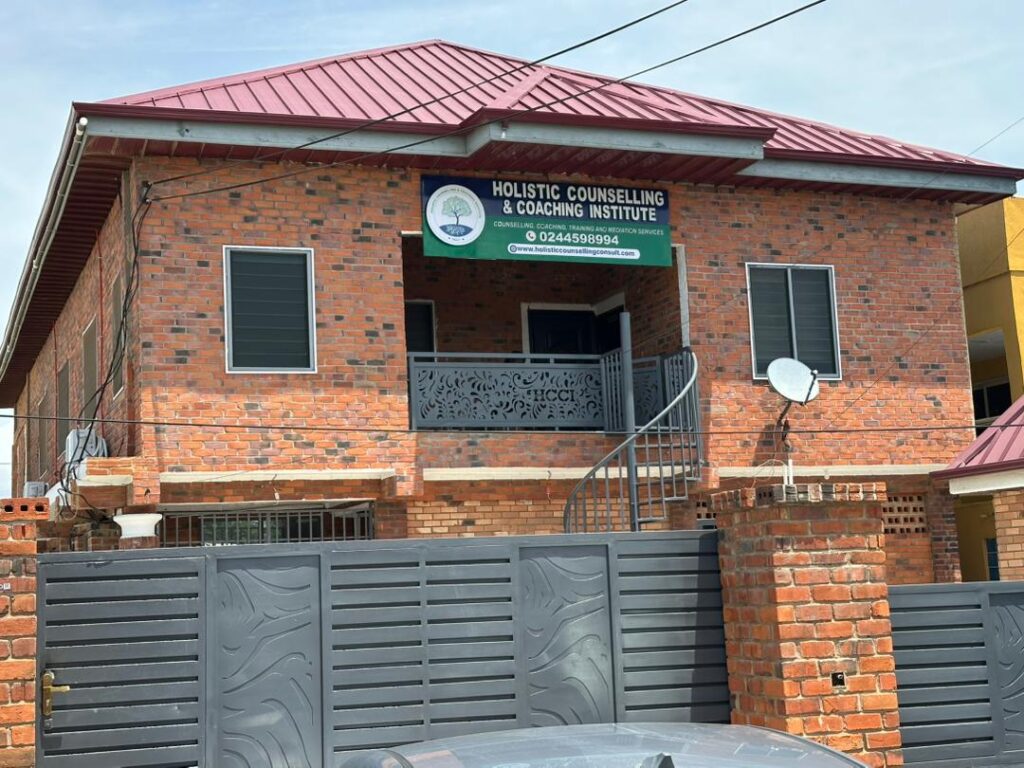
The Holistic Counselling & Coaching Institute (HCCI) provides counselling and coaching support for individuals and couples navigating emotional, personal, and relationship challenges.
For people experiencing persistent relationship conflict, low self-esteem, emotional distress, or difficulty establishing healthy boundaries, professional counselling can offer a supportive environment for understanding these experiences.
Counselling may help you develop greater emotional awareness, recognise unhealthy relationship patterns, communicate more effectively, and make informed decisions about your wellbeing.
HCCI also offers a faith-informed perspective for individuals who wish to incorporate Christian values into their personal growth and relationship concerns.
If you are looking for relationship counselling in Accra or Ghana, consider contacting HCCI to enquire about available services and whether they are appropriate for your circumstances.
Where specialist mental health treatment, domestic abuse intervention, or emergency protection is required, appropriate referral and safety support should take priority.
Frequently Asked Questions About Toxic Relationships
What is the difference between a toxic relationship and a difficult relationship?
A difficult relationship may involve disagreements, misunderstandings, or temporary stress while both people remain respectful and willing to resolve problems.
A toxic relationship typically involves recurring patterns that undermine emotional wellbeing, dignity, or personal boundaries.
The distinction depends on the behaviour involved, its frequency, and its impact.
Can a toxic relationship become healthy again?
Some unhealthy relationships can improve when those involved acknowledge harmful patterns, take responsibility, and demonstrate sustained behavioural change.
However, improvement cannot be guaranteed, and one person’s efforts alone cannot create a healthy relationship.
Where abuse or coercive control is involved, personal safety must remain the priority.
How do I know if I am being emotionally manipulated?
Possible signs include repeated guilt-inducing pressure, threats of withdrawal, deliberate humiliation, persistent blame-shifting, or attempts to control your decisions through fear.
A professional counsellor can help you examine these patterns in the context of your relationship.
Should I leave a toxic relationship?
The appropriate decision depends on your circumstances, the severity of the behaviour, and your safety.
Counselling can help you explore your options and make informed decisions. If there is violence, intimidation, or coercive control, seek specialist support to assess risks and plan safely.
Can counselling help me recover from an unhealthy relationship?
Yes. Counselling can support emotional recovery by helping individuals understand past experiences, rebuild self-esteem, develop boundaries, and improve relationship skills.
The process and outcomes vary according to individual needs and circumstances.
Is online relationship counselling available in Ghana?
Online counselling is an option offered by some professionals and organisations in Ghana. It may be convenient for individuals who cannot attend in-person sessions.
Before booking, confirm the counsellor’s qualifications, confidentiality arrangements, and whether online support is appropriate for your situation.
Conclusion: Healthy Relationships Should Not Cost You Your Peace
Relationships are meant to provide opportunities for connection, companionship, encouragement, and mutual growth.
Although no relationship is perfect, repeated disrespect, manipulation, intimidation, and emotional harm should not be accepted as unavoidable expressions of love.
Recognising unhealthy patterns is an important step toward protecting your wellbeing.
You can learn to establish boundaries, rebuild confidence, seek support, and make decisions that reflect your values and circumstances.
Whether you are dealing with a difficult marriage, an emotionally draining friendship, family conflict, or the aftermath of an unhealthy relationship, you do not have to navigate every challenge without support.
Are you struggling with an unhealthy relationship or ongoing emotional distress?
Contact the Holistic Counselling & Coaching Institute (HCCI) to enquire about professional counselling and coaching support in Ghana.
Taking the first step toward understanding your experiences may help you develop healthier relationships, stronger personal boundaries, and greater emotional wellbeing.