
Some emotional wounds remain long after the experiences that caused them have ended. A person may appear happy, successful, and confident on the outside while silently struggling with painful memories, fear, anxiety, or emotional distress.
Need professional support? Call now: 0244598994
Perhaps you experienced a difficult childhood, lost someone unexpectedly, survived an accident, endured an abusive relationship, or witnessed something frightening. Although the experience may have happened years ago, its emotional effects can sometimes continue to influence your relationships, decisions, confidence, and everyday life.
These experiences may be connected to psychological trauma.
Trauma counselling in Ghana can help individuals understand the effects of distressing experiences, develop healthier coping strategies, and work toward emotional recovery.
At the Holistic Counselling & Coaching Institute (HCCI), emotional wellbeing, personal growth, and supportive relationships are important areas of counselling and coaching. Understanding trauma is an essential part of recognising when professional mental health support may be needed.
What Is Psychological Trauma?

Psychological trauma refers to the emotional and psychological effects that may develop after experiencing or witnessing an event that feels extremely threatening, frightening, overwhelming, or harmful.
Traumatic experiences can affect a person’s sense of safety, trust, control, and emotional stability.
However, trauma is not defined solely by the event itself. People respond differently to difficult experiences depending on factors such as their circumstances, previous experiences, support systems, and available coping resources.
Two individuals may experience similar events but respond in different ways.
One person may recover with the support of family and friends, while another may experience persistent distress that requires professional assistance.
Experiencing trauma does not mean someone is weak. It means that a distressing experience has affected their emotional or psychological wellbeing.
Common Causes of Emotional Trauma
Trauma can develop from many different experiences. Some occur suddenly, while others involve repeated exposure to stressful or harmful situations.
1. Childhood Abuse and Neglect
Childhood experiences can have a lasting influence on emotional development.
Children who experience physical abuse, emotional abuse, sexual abuse, severe neglect, or persistent exposure to violence may develop difficulties involving trust, emotional regulation, self-esteem, and relationships.
These experiences can sometimes continue to affect individuals during adulthood.
For example, an adult who experienced repeated humiliation during childhood may struggle with feelings of inadequacy or become highly sensitive to criticism.
Professional counselling may help individuals explore these experiences and understand how they influence present-day emotions and behaviour.
2. Domestic Violence and Abusive Relationships
Abuse within marriage or romantic relationships can have serious psychological effects.
Individuals who experience threats, intimidation, physical violence, sexual coercion, manipulation, or controlling behaviour may develop persistent fear, anxiety, emotional distress, and difficulties trusting others.
Some people continue to experience these effects even after leaving the relationship.
Trauma-informed counselling can support emotional recovery, but where abuse is ongoing, immediate safety and specialist domestic violence support should take priority.
3. Road Accidents and Life-Threatening Events
Surviving a serious road accident, fire, robbery, assault, or other frightening event can affect a person’s sense of safety.
Someone who survives a road accident may become extremely anxious when travelling, even after physically recovering.
Others may experience distressing memories, nightmares, or heightened alertness.
When these reactions persist and interfere with everyday functioning, professional assessment can help determine whether trauma-related treatment is appropriate.
4. Sudden Loss and Bereavement
Losing a loved one can be deeply painful, particularly when the death occurs suddenly or under distressing circumstances.
Although grief is a natural response to loss, some individuals may experience trauma-related symptoms alongside their grief.
For example, someone who witnessed a loved one’s death may struggle with intrusive memories or intense fear connected to the experience.
Grief counselling and trauma-focused support can sometimes help individuals process these experiences.
5. Bullying, Humiliation, and Repeated Rejection
Persistent bullying, intimidation, humiliation, or harassment can affect emotional wellbeing and self-confidence.
These experiences may occur in schools, workplaces, families, or social environments.
People who have experienced prolonged mistreatment may become fearful of social situations, excessively self-critical, or reluctant to trust others.
6. Medical Emergencies and Serious Illness
A frightening medical diagnosis, emergency surgery, difficult childbirth, or intensive medical treatment can sometimes be experienced as traumatic.
Individuals may develop anxiety about their health, medical appointments, or the possibility of experiencing another emergency.
Professional support may help when these fears become persistent or overwhelming.
Signs and Symptoms of Unresolved Trauma

Trauma can affect people emotionally, mentally, physically, and socially.
Not everyone experiences the same symptoms, and having one or more of these signs does not automatically mean that a person has a trauma-related disorder.
Emotional Symptoms
Some individuals experience persistent fear, sadness, anger, shame, guilt, or emotional numbness.
Others may find themselves reacting strongly to situations that remind them of a previous experience.
For example, someone who experienced frequent shouting during childhood may become distressed when hearing raised voices.
Psychological Symptoms
Trauma-related psychological difficulties may include intrusive memories, nightmares, unwanted thoughts, concentration problems, or difficulty feeling safe.
Some individuals may experience flashbacks, during which memories of a traumatic experience feel unusually vivid or immediate.
Physical Symptoms
Emotional distress can also affect the body.
Possible symptoms include sleep disturbances, muscle tension, headaches, fatigue, rapid heartbeat, and digestive discomfort.
However, physical symptoms can have many causes. Persistent or unexplained symptoms should also be assessed by an appropriate healthcare professional.
Behavioural and Relationship Changes
Some individuals begin avoiding people, places, or situations that remind them of painful experiences.
Others may withdraw socially, become unusually irritable, struggle with intimacy, or find it difficult to trust loved ones.
These changes can affect marriages, friendships, family relationships, and professional life.
Read also: Toxic Relationships in Ghana: 10 Signs and How to Cope
What Is the Difference Between Trauma and PTSD?
Trauma and post-traumatic stress disorder (PTSD) are related but are not the same thing.
Trauma describes the psychological impact of distressing experiences.
Post-traumatic stress disorder is a diagnosable mental health condition that can develop after exposure to certain traumatic events.
PTSD may involve symptoms such as intrusive memories, avoidance, negative changes in mood and thinking, and persistent feelings of threat or heightened alertness.
A diagnosis requires assessment against established clinical criteria by an appropriately qualified professional.
Not everyone who experiences trauma develops PTSD.
Some individuals recover naturally over time, particularly when they have supportive relationships and access to appropriate care.
Others may benefit from specialised psychological treatment.
How Unresolved Trauma Can Affect Everyday Life
When trauma-related difficulties continue without adequate support, they may influence several important areas of life.
Trauma and Marriage Relationships
Past experiences can sometimes influence how people respond to conflict, affection, disagreement, and emotional closeness.
Someone who experienced betrayal or abuse may struggle to trust a new partner.
Another person may become highly distressed during disagreements because conflict reminds them of earlier experiences.
These reactions can create misunderstandings when partners do not understand the emotional factors involved.
Trauma-informed counselling may help individuals recognise these patterns and develop healthier ways of responding.
Trauma and Self-Esteem
Traumatic experiences can sometimes lead people to develop negative beliefs about themselves.
They may feel responsible for events they could not control or believe they are unworthy of love and respect.
Counselling can help individuals examine these beliefs and develop a more balanced understanding of their experiences.
Trauma and Workplace Performance
Trauma-related distress may affect concentration, sleep, confidence, and emotional regulation.
An individual may struggle to remain focused at work, respond calmly under pressure, or manage demanding responsibilities.
These difficulties can be particularly challenging for professionals in leadership or caregiving roles.
Trauma and Family Life
Parents who have experienced trauma may sometimes find certain parenting situations emotionally difficult.
For example, stressful behaviour from children may trigger memories of earlier experiences.
Understanding these patterns can help parents seek appropriate support and develop healthier responses.
What Is Trauma Counselling?
Trauma counselling involves professional psychological support aimed at helping individuals understand and manage the effects of distressing experiences.
A trauma-informed counsellor recognises that painful experiences can influence emotions, behaviour, relationships, and a person’s sense of safety.
The counselling process should prioritise emotional safety, trust, collaboration, personal choice, and respect for the individual’s circumstances.
Importantly, effective trauma counselling does not require someone to describe every painful detail immediately.
The pace and approach should reflect the person’s readiness, needs, and the treatment being provided.
For individuals with PTSD or other trauma-related mental health conditions, evidence-based trauma-focused therapies may be recommended.
How Professional Trauma Counselling Can Help

1. Understanding Trauma Responses
One important benefit of counselling is learning why certain emotions and reactions may occur.
For example, someone may begin to understand why particular sounds, environments, or interactions trigger intense fear.
Recognising these patterns can reduce confusion and help individuals respond more effectively.
2. Developing Emotional Regulation Skills
Trauma can sometimes make emotions feel difficult to manage.
A qualified professional may teach grounding techniques, relaxation exercises, and other coping strategies to help individuals manage distress.
These techniques can be useful components of care, although they are not substitutes for appropriate trauma-focused treatment when it is needed.
3. Addressing Negative Beliefs
Some people develop beliefs such as:
- “I am not safe anywhere.”
- “Everything was my fault.”
- “I cannot trust anyone.”
- “I am powerless.”
- “I do not deserve happiness.”
Counselling can help individuals explore these beliefs and assess whether they accurately reflect their current circumstances.
4. Rebuilding Confidence and Personal Control
Traumatic experiences can leave people feeling helpless.
Professional support may help individuals regain a sense of personal agency by making informed choices, developing coping strategies, and establishing healthy boundaries.
5. Improving Relationships
Trauma-related difficulties can affect communication, emotional closeness, and trust.
Counselling may help individuals recognise how previous experiences influence present relationships and develop healthier ways of connecting with others.
Evidence-Based Treatments for Trauma and PTSD
Different therapeutic approaches may be used depending on the individual’s symptoms, experiences, and professional assessment.
Trauma-Focused Cognitive Behavioural Therapy
Trauma-focused cognitive behavioural approaches help individuals examine distressing thoughts, emotions, and behaviours associated with traumatic experiences.
Treatment may involve developing coping skills and gradually processing trauma-related memories within a structured therapeutic approach.
Cognitive Processing Therapy
Cognitive processing therapy is a structured treatment that helps individuals examine and modify unhelpful beliefs associated with traumatic experiences.
It is one of the evidence-based treatments used for PTSD.
Eye Movement Desensitisation and Reprocessing
Eye movement desensitisation and reprocessing (EMDR) is a structured psychological treatment used for trauma-related difficulties, including PTSD.
It involves working with traumatic memories through a defined therapeutic process delivered by an appropriately trained practitioner.
Other Supportive Approaches
Depending on individual needs, care may also include supportive counselling, stress-management strategies, treatment for associated depression or anxiety, and appropriate medical or psychiatric support.
The most suitable treatment should be determined through professional assessment.
Trauma Counselling in Ghana: Why Professional Support Matters
Mental health awareness has been growing in Ghana, but some individuals may still hesitate to seek counselling because of stigma, cultural expectations, or uncertainty about available services.
Some people believe that discussing painful experiences demonstrates weakness.
Others may feel that they should simply forget what happened and move on.
However, persistent trauma-related symptoms are not always resolved through willpower alone.
Professional support can provide a structured environment for understanding emotional difficulties and identifying appropriate treatment options.
For individuals in Accra and other parts of Ghana, seeking assistance from qualified mental health professionals can be an important part of recovery.
When choosing a counsellor or therapist, ask about their qualifications, experience with trauma, confidentiality practices, and the therapeutic approaches they use.
Trauma Counselling for Pastors and Church Workers
Pastors, ministers, and church workers regularly support individuals experiencing bereavement, family conflict, abuse, illness, and other difficult circumstances.
Repeated exposure to distressing experiences can sometimes contribute to emotional exhaustion or secondary traumatic stress.
Church leaders may also have their own unresolved experiences while feeling pressure to remain emotionally strong for others.
Professional counselling can provide an opportunity for reflection, emotional support, and the development of healthier coping strategies.
Recognising personal emotional needs does not diminish a person’s commitment to ministry.
In fact, seeking appropriate support can help leaders care for their wellbeing while continuing to serve others responsibly.
Can Christian Counselling Help With Trauma?
For individuals who value Christian faith, spiritual beliefs can be an important source of meaning, hope, and community support.
Christian counselling may incorporate prayer, biblical reflection, spiritual encouragement, and discussions about faith alongside appropriate psychological support.
However, trauma-related difficulties should not automatically be interpreted as evidence of weak faith or spiritual failure.
Similarly, prayer and spiritual guidance should not replace evidence-based psychological treatment when clinical care is needed.
Faith-informed counselling is most helpful when it respects the individual’s beliefs while recognising the importance of professional mental health care.
Practical Ways to Support Emotional Recovery After Trauma

Professional treatment may be necessary for persistent symptoms, but certain everyday practices can also support emotional wellbeing.
Maintain Supportive Relationships
Trusted friends, relatives, and supportive communities can provide encouragement and reduce feelings of isolation.
You do not need to share every detail of your experience to receive support.
Establish Healthy Daily Routines
Regular sleep, balanced meals, physical activity, and manageable daily routines can support overall wellbeing.
When trauma-related symptoms affect sleep or physical health, additional professional assistance may be needed.
Practise Grounding Techniques
Grounding techniques can help some individuals reconnect with the present moment when feeling overwhelmed.
One example involves gently noticing five things you can see, four things you can feel, three things you can hear, two things you can smell, and one thing you can taste.
This technique may help with distress in some situations, although it does not work equally well for everyone.
Avoid Pressuring Yourself to Recover Quickly
Recovery is not always a straightforward process.
Some people notice gradual improvement, while others experience periods when symptoms become more difficult.
Try not to measure your progress against someone else’s experience.
Seek Help When Symptoms Persist
If distressing memories, avoidance, fear, sleep difficulties, or emotional changes continue to interfere with everyday life, consider seeking professional assessment.
Early support can help identify appropriate care.
How HCCI Can Support Emotional Wellbeing and Recovery
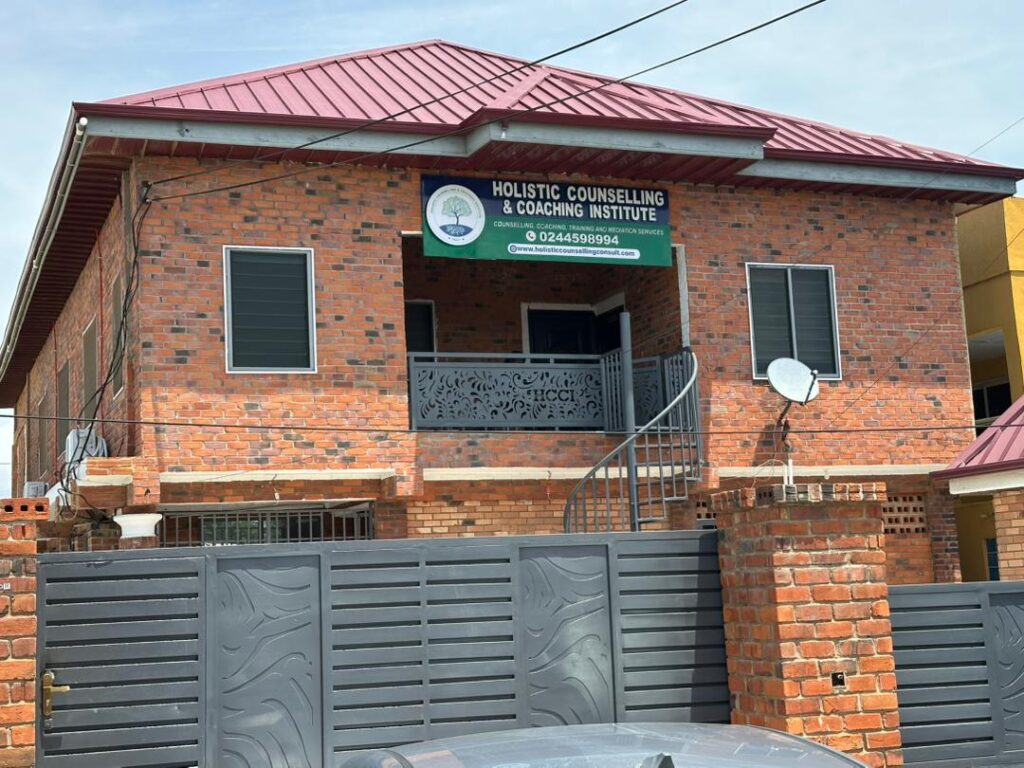
The Holistic Counselling & Coaching Institute (HCCI) provides counselling and coaching services for individuals facing personal, emotional, and relationship challenges.
HCCI’s broader focus on emotional wellbeing, personal growth, and supportive relationships can be relevant to individuals who are experiencing difficulties connected to painful life events.
For people seeking counselling in Accra or Ghana, contacting HCCI can provide an opportunity to enquire about available services and discuss the type of professional support they may need.
Because trauma-related conditions sometimes require specialist psychological treatment, individuals should confirm whether a practitioner has the appropriate training and experience for their particular needs.
Where specialised PTSD treatment, psychiatric assessment, or another level of care is necessary, referral to a suitably qualified professional is important.
Frequently Asked Questions About Trauma Counselling in Ghana
Can emotional trauma heal?
Many people experience significant improvement after trauma, especially with appropriate support and treatment.
Recovery varies depending on the individual, the nature of the experience, and any associated mental health conditions.
How do I know if I need trauma counselling?
Consider professional support if distressing memories, fear, emotional numbness, avoidance, sleep problems, or relationship difficulties persist and interfere with your daily life.
A qualified mental health professional can help assess your symptoms.
Can childhood trauma affect adults?
Yes. Adverse childhood experiences can influence emotional wellbeing, relationships, and beliefs about oneself during adulthood.
However, childhood experiences do not determine a person’s future, and appropriate support can help individuals address ongoing difficulties.
Is trauma counselling confidential?
Professional counselling generally involves confidentiality, subject to legal, ethical, and safety-related exceptions.
Before beginning treatment, ask the practitioner to explain their confidentiality policy and its limitations.
Can online trauma counselling be effective?
Online psychological treatment may be appropriate for some individuals, depending on their symptoms, safety, privacy, and the qualifications of the practitioner.
People with complex or severe symptoms may require more specialised or in-person services.
How long does trauma counselling take?
The duration depends on the individual’s needs, symptoms, treatment approach, and progress.
Some structured trauma-focused treatments involve a defined number of sessions, while other individuals may require longer-term support.
Conclusion: Your Past Does Not Have to Define Your Future
Painful experiences can influence how you think, feel, and relate to the world.
They may affect your confidence, relationships, emotional stability, and sense of safety.
However, experiencing trauma does not mean that emotional recovery is impossible.
With understanding, appropriate professional care, supportive relationships, and time, many people are able to reduce trauma-related distress and build meaningful, fulfilling lives.
You do not have to minimise your experiences or pretend that everything is fine.
Recognising that you need support can be an important step toward recovery.
Are you struggling with painful memories, emotional distress, or relationship difficulties connected to past experiences?
Contact the Holistic Counselling & Coaching Institute (HCCI) to enquire about counselling support in Ghana and discuss whether their available services are suitable for your needs.
Your experiences deserve to be taken seriously, and your emotional wellbeing deserves care.


